


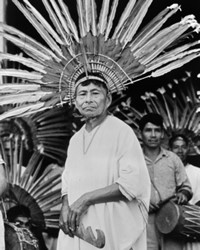

The Moxos Ignaciano—also known as Mojeño-Ignaciano—are an Indigenous Arawakan-speaking people of the Bolivian Amazon. Their communities are centered in the Beni Department, especially in and around San Ignacio de Moxos and the Llanos de Moxos region. Their traditional language is Ignaciano, one of the two surviving Moxo languages, the other being Trinitario.
Historically, the Moxos region became a major center of Jesuit mission activity beginning in the 17th century, when Indigenous groups were drawn into mission towns and taught agriculture, crafts, and music. The Ignaciano language later became a prominent lingua franca in the Jesuit Missions of Moxos.
Today the Ignaciano people remain rooted in the forests and savannas of Beni, where cultural memory, communal structures, and their Arawakan linguistic heritage continue to shape their identity.
The Moxos Ignaciano live in a landscape of rivers, wetlands, and open savannas. Many families practice small-scale farming, cultivating maize, rice, plantains, and yuca. Cattle raising is common in the region, and fishing supplements their diet. Local markets and regional trade connect them with nearby towns.
Family life is strongly communal. Extended families often live near one another, and community cooperation is central to agriculture, celebrations, and problem-solving. Traditional music, dance, and seasonal festivities remain important cultural expressions, many of which descend from the blend of Indigenous and Jesuit musical traditions preserved in the region.
Ignaciano is still used in community meetings and taught in local schools at the primary level. Although Spanish dominates government and commerce, significant efforts continue to maintain language use among children.
Most Moxos Ignaciano identify with Christianity, a legacy of Jesuit presence in the region. Churches play a central role in local life, providing places for worship, fellowship, and community gatherings. Some families continue cultural practices rooted in ancestral beliefs, particularly in relation to land, the natural world, and storytelling traditions.
Christian faith shapes many of their values and celebrations, yet the community still faces a need for deepened discipleship and strong biblical teaching.
Access to improved healthcare and transportation remains a challenge in rural Beni, where seasonal floods and distance limit mobility. Educational resources in both Spanish and Ignaciano would strengthen literacy and help preserve the language.
Sustainable livelihoods are important as traditional lands face pressures from commercial agriculture, cattle expansion, and ecological change. Culturally grounded leadership development—both civic and Christian—would help local families navigate modern pressures while remaining rooted in Christ-centered hope.
Spiritual needs include clear Bible teaching and the strengthening of churches so believers can grow in maturity and reach neighboring Indigenous groups.
Pray for strong spiritual growth among Ignaciano believers and renewed commitment to follow Jesus with clarity and joy.
Pray for protection of their land, homes, and livelihoods in the face of ecological and economic challenges.
Pray for the preservation and expansion of the Ignaciano language through education and discipleship resources.
Pray that Ignaciano Christians will join the gospel force, sharing Christ with less-reached peoples of the Amazon.
Scripture Prayers for the Ignaciano, Moxos in Bolivia.
https://en.wikipedia.org/wiki/Moxo_languages
https://www.native-languages.org/mojo.htm
| Profile Source: Joshua Project |


